

🧮
Five kinds of metric
Counters for things you tally, gauges for values you sample, events and logs for records you keep whole, timers for how long work takes.
Compare them
A small TypeScript library that counts things, records events and times operations. It hands you finished rows and lets you decide where they go.
import { counter, createHouse, str } from 'metrichouse/core'
import { memory } from 'metrichouse/memory'

// 1. Say what you want to measure.
const pageViews = counter('page_views', {
  dims: { path: str() },
  resolution: '1m',                       // keep one row per minute
  flush: '5m',                            // ship no more than once every 5 minutes
  write: async (rows) => {
    await db.insertInto('page_views').values(rows).execute()
  },
})

// 2. Connect it to somewhere that holds the running totals.
const house = createHouse({ driver: memory(), schema: { pageViews } })
house.start()

// 3. Count.
pageViews.add({ path: '/pricing' })

// 4. Read it back straight away, before anything reaches the database.
await pageViews.current({ path: '/pricing' })   // 1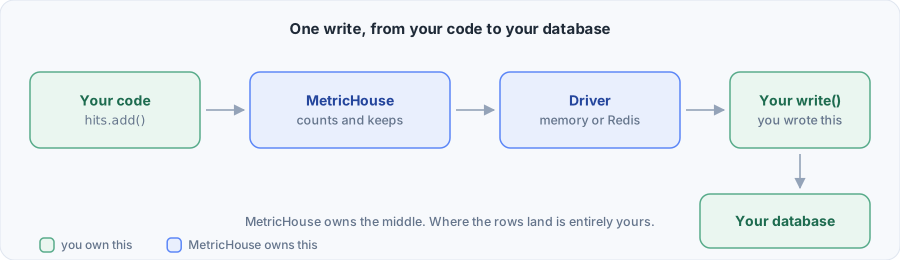
Some information is gone forever if you do not record it as it happens. How many requests arrived in a given second. How many were errors. How long each one took. You cannot go back and work those out later.
MetricHouse captures that information cheaply, groups it into time windows, and hands you the finished rows. It does not query, chart or store anything itself.
If you want a full explanation of the idea before writing code, read What MetricHouse is. If you would rather see it running, go to Getting started.
npm install metrichouseNode 20 or newer. The ioredis package is optional and only needed if you use the Redis driver.